
Willkommenspaket und Bonuscode: Funktionen im Überblick
November 6, 2026Posido Casino Review: Ocean Theme, Slots, Sportsbook & Mobile
November 6, 2026B2B Casino Software: The Backbone of Online Gaming Platforms
I've seen too many operators fail by treating their casino software as a simple vendor purchase. This integrated https://casinosoftware.co.ke/ gaming solution is the true foundation of a sustainable business, a core around which everything else revolves. Without this perspective, even the most advanced b2b platform will struggle to deliver the long-term player engagement and revenue growth that modern online casino operators need to achieve.
In reality, your chosen gaming platform is the foundation of your entire business. It handles critical back-end gaming solution operations.
For example, it manages player funds, controls game logic, and ensures regulatory compliance across jurisdictions.
Your direct success as a casino operator depends on its stability and capability.
Essential Components of a Modern Casino Platform Solution
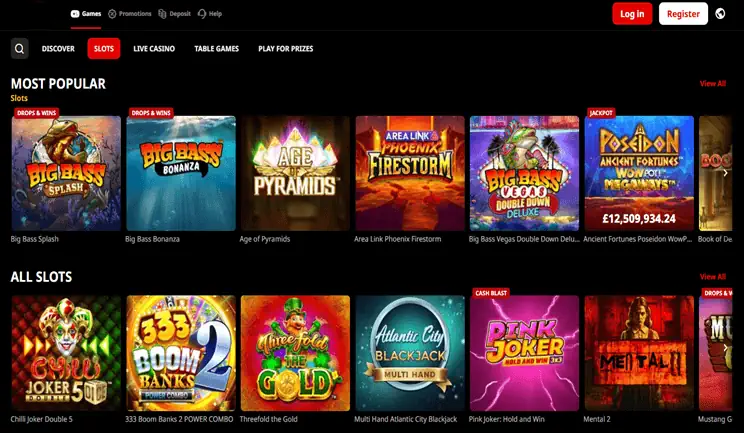
My work has taught me that a modern platform isn't a monolith. It's a suite of modular components you license and integrate.
You'll need a gaming server, wallet system, CRM, payment gateway integration, and a content management system (CMS). Licensing a full tech stack can start around €250,000 annually, excluding game content.
Building this in-house is possible, but the complexity is immense.
| Brand | Key Spec | Price Range | My Verdict |
|---|---|---|---|
| SoftSwiss | White-label + Aggregator | Revenue Share | Best for fast market entry. |
| Pronet Gaming | Fully Managed Turnkey | €5k+ monthly fee | Good for ops-heavy operators. |
| White Hat Gaming | Licensed Platform & Games | €500k+ upfront | Top-tier, high-cost enterprise solution. |
I recommend starting with a revenue-share model to test viability before heavy capital expenditure.
Top Casino Software Providers: From BGaming to Microgaming
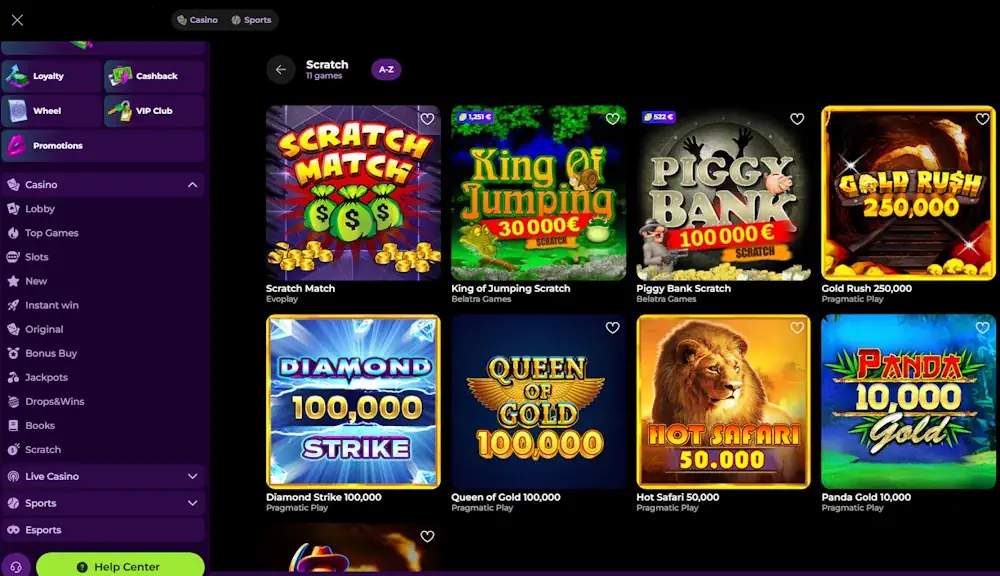
Choosing game providers is where your casino's personality is forged. I've tested thousands of slots and cards games across dozens of studios.
The casino games library is your primary marketing tool. Microgaming's progressive jackpot network alone has paid out over €1.5 billion, a massive player draw.
BGaming offers modern mechanics and crypto-friendly features. Pragmatic Play dominates with its relentless release schedule and popular tournament tools. Evolution reigns supreme for live dealer, but their table game RTPs are often lower than competitors.
The Role of Unified Casino APIs in Streamlining Operations
I've integrated separate providers' APIs and it's a nightmare of conflicting formats and slow performance. A unified casino api standardizes this, letting you manage all your game content through one connection.
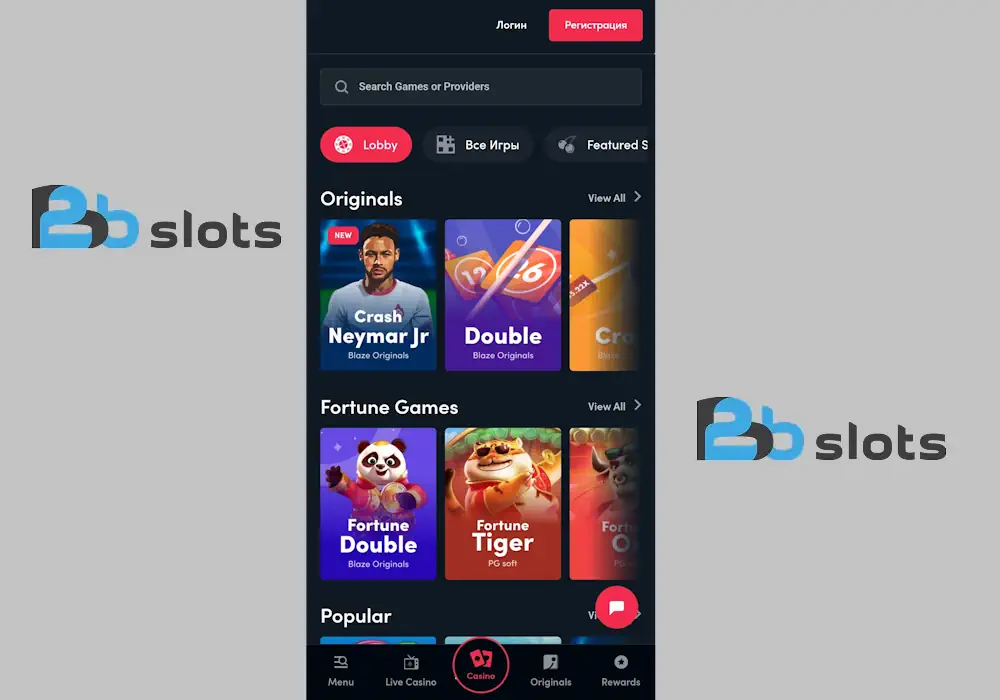
It reduces your technical debt and speeds up game launches dramatically.
The biggest benefit isn't adding games faster, it's firing half your tech support team because the system finally works reliably.
Aggregators like FSB Tech or EveryMatrix can provide over 10,000 games via one API integration, a massive efficiency gain for any operator.
Key Features for Casino Operators: Tournaments & Game Variety
To retain players, you need more than just games. These interactive features are non-negotiable.
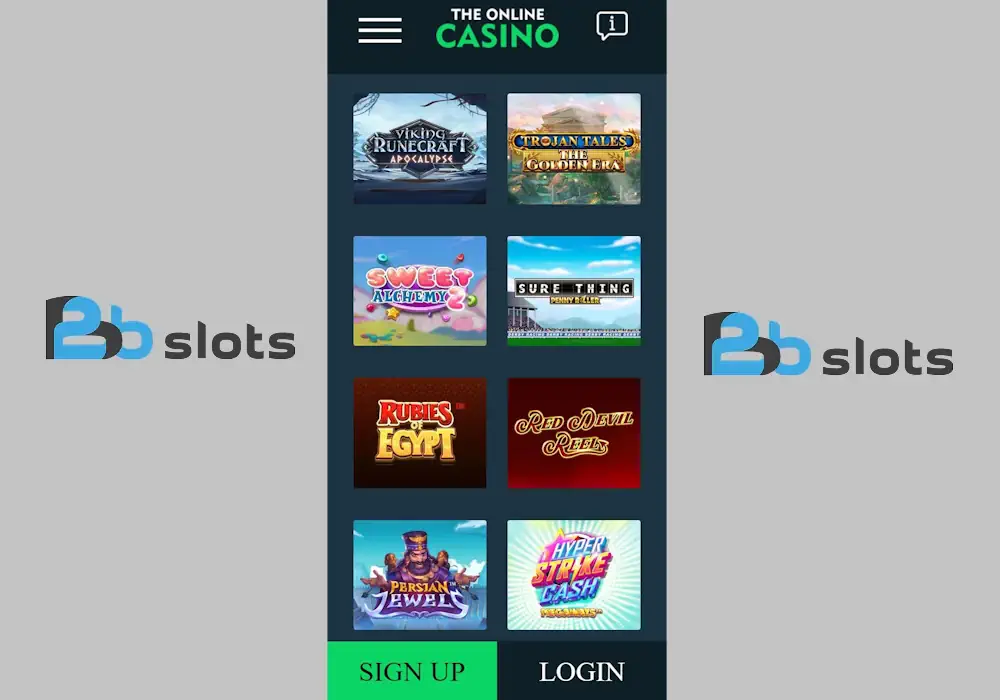
- Provably fair tournaments with real-time leaderboards.
- Daily and weekly slot races with transparent prize pools.
- Badge and achievement systems for completing game collections.
- Battle Royale-style knockout competitions in live casino games.
- Social features like guilds for cooperative play.
When I ran promotions, tournaments boosted player session time by over 300%. A standard prize pool for a weekly tournament with 5,000 players is around €15,000, creating a powerful incentive loop that keeps players returning.
Comparing Leading B2B Slot and Casino Game Vendors
Choosing the right slot providers means balancing math, features, and content velocity. Here’s a snapshot of my recent testing data.
| Vendor | Avg. RTP (Slots) | New Games/Month | Specialization |
|---|---|---|---|
| Pragmatic Play | 96.5% | ~8 | Megaways & High Volatility |
| Play'n GO | 96.2% | ~3 | Narrative & Branded Slots |
| Hacksaw Gaming | 96.4% | ~2 | Scratch Cards & Instant Wins |
| Relax Gaming | 96.0% | ~4 | Elite Pot Bonuses |
Pragmatic's average monthly release rate of 8 titles is an industry benchmark that forces competitors to keep pace. For table games, I lean towards companies like Playtech for their stability and depth.
Trends Shaping the Future of iGaming Software & Solutions
The landscape is shifting from pure chance to skill and community. In my analysis, the growth of live game shows like Crazy Time proves players crave interactive hosts and shared moments.
True cross-platform gaming software that syncs progress from mobile to desktop is still rare, but it’s the next major player retention tool.
Blockchain-based transparency for game outcomes is moving from niche to mainstream, especially in newly regulated markets. The big igaming players are already quietly building their Web3 infrastructure, betting it will define the next decade.
FAQ
How much does a basic casino platform cost to license?
A full tech stack license starts around €250,000 annually. Many providers offer revenue-share models initially to reduce your upfront capital risk. I recommend starting with that to test market viability.
Which game provider releases the most new slots each month?
Pragmatic Play sets the industry benchmark, releasing an average of 8 new titles per month. This rapid content velocity keeps their portfolio fresh and is a major draw for player retention.
Is a unified API really necessary?
Absolutely. Integrating separate APIs creates technical debt and support nightmares. Aggregators provide over 10,000 games via one connection, dramatically speeding up game launches and improving reliability.
What's the biggest benefit of hosting tournaments?
They drive player engagement and session time. In my experience, tournaments can boost player session duration by over 300%. A typical €15,000 weekly prize pool creates a powerful incentive for repeat visits.
Who is the market leader for live dealer casino software?
Evolution Gaming holds a dominant position in the live dealer space. Their game shows like Crazy Time are major player attractions, though their table game RTPs are often lower than some competitors.
